Kashmir in Winter: Snow, Cold and What to Expect
Snow-covered Gulmarg, frozen streams and warm kahwa by the fire: what a winter trip to Kashmir is really like, from December to February.
Free trip plan
Plan your Kashmir trip with a local expert
Get a custom itinerary and price. We call you back fast.

In this guide ▼
Quick answerWinter in Kashmir runs from December to February. Expect regular snow in Gulmarg and Pahalgam, occasional snow in Srinagar, and temperatures from about -5°C at night to 8°C by day. It is the best time for skiing and snow, but roads can close after heavy snowfall.
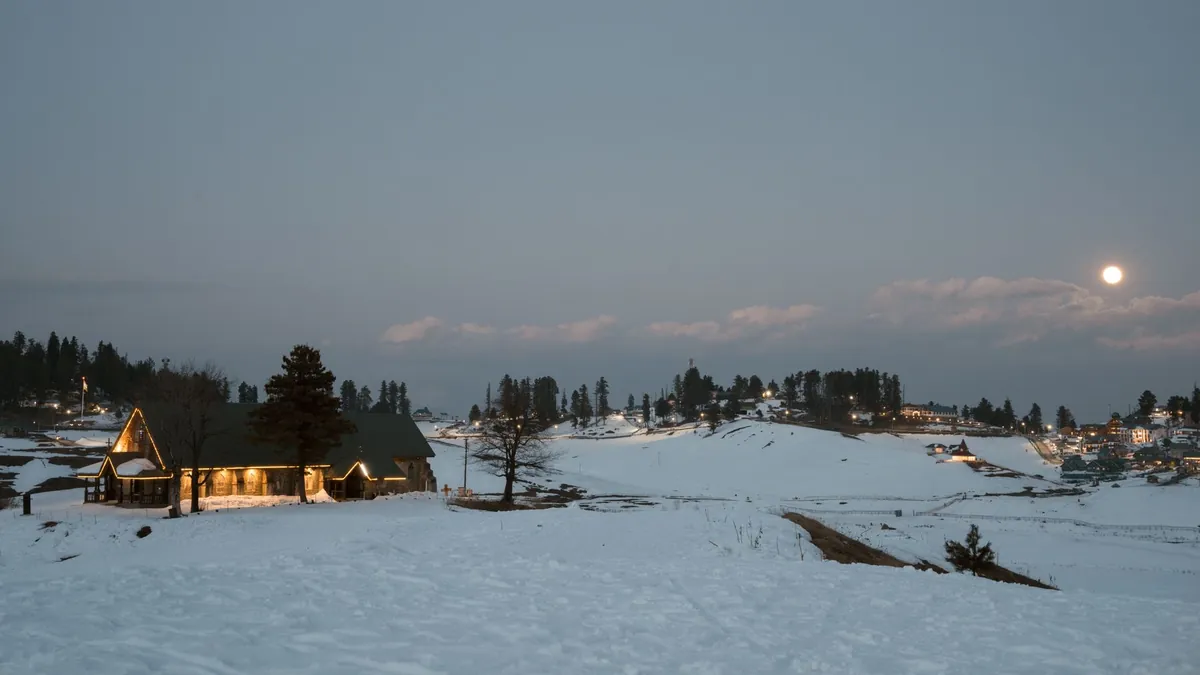
Winter turns Kashmir into a quiet white valley. Pine forests carry snow, the meadows of Gulmarg become ski slopes, and the evenings smell of wood smoke and kahwa. It is magical, but it needs more planning than a summer trip.
Chillai Kalan: the 40 coldest days
Kashmiris call the 40 days from 21 December to 31 January Chillai Kalan. This is the harshest part of winter, when the heaviest snowfall is expected and night temperatures in Srinagar drop well below zero. It is followed by Chillai Khurd (20 days) and Chillai Bachha (10 days), which are milder.
Where to see snow
- Gulmarg: the most reliable snow, from December to March, and skiing on Mount Apharwat via the gondola.
- Pahalgam: snow in town and in Betaab Valley; some side valleys close.
- Sonamarg: with the Z-Morh tunnel, Sonamarg can now be reached in winter on many days, but access depends on weather and administration rules.
- Srinagar: occasional snowfall, often in late December or January.
Staying warm
Choose hotels with central heating or reliable heaters, and ask whether rooms have hot water around the clock. Locals stay warm with the pheran (a long woollen cloak) and the kangri, a small fire pot held underneath it. Read more in our kangri guide.
Road conditions
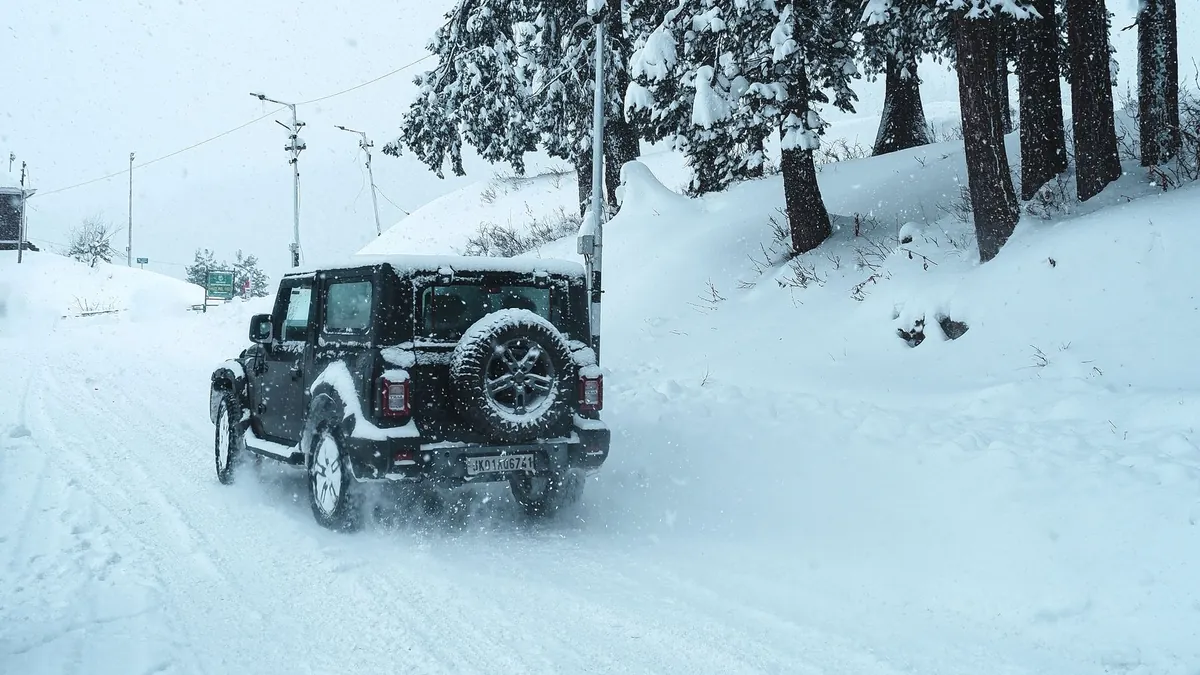
Main roads to Gulmarg and Pahalgam are cleared quickly after snowfall, but you may need snow chains on the last stretch. The Jammu–Srinagar highway can close for a day or two after heavy snow. Flights may also be delayed in fog or snow, so avoid tight connections.
Tip: Keep one spare day at the end of a winter trip in case a flight or road closure shifts your plans.
What to do in winter
- Ski or snowboard in Gulmarg with a certified instructor.
- Ride the Gulmarg Gondola to see the Himalayan peaks above the snowline.
- Try sledging and snow-bike rides in Gulmarg and Pahalgam.
- Stay on a heated houseboat and watch snow fall on Dal Lake.
- Eat harissa, a slow-cooked mutton dish served only in winter in Srinagar.
Plan the rest of your Kashmir trip
- Kashmir in January: January is the coldest, snowiest month in Kashmir: the best time for skiing and snow play in Gulmarg, frosty Srinagar mornings and a real taste of Chillai Kalan.
- Chillai Kalan: From 21 December to the end of January, Kashmir lives through Chillai Kalan, the coldest 40 days of the year.
- Kashmir Winter Package 4 Nights 5 Days: The classic Kashmir snow holiday in four nights: Srinagar, a night in Gulmarg and Pahalgam or Sonamarg, with costs, what is included and winter tips.
- Best Places to See Snow in Kashmir (and When to Go): Gulmarg, Sonamarg, Pahalgam, Yusmarg and even Srinagar itself: where the snow is most reliable, how to get there in winter, and which places are closed.
- Harissa: Slow-cooked overnight and sold from dawn in old Srinagar's shops, harissa is Kashmir's most beloved winter dish.
Frequently asked questions
Does Dal Lake freeze in winter?
Parts of Dal Lake freeze at the edges during very cold spells, usually in January. It rarely freezes solid, so never walk on it.
Is Gulmarg open in winter?
Yes. Winter is Gulmarg's busiest season for skiing and snow. Roads are cleared after snowfall.
Is Kashmir too cold for children in winter?
Children manage well with proper layers and heated rooms. Avoid very long days outside during Chillai Kalan.
When is the best time to see snowfall in Kashmir?
Late December to early February gives the best chance of fresh snowfall in Gulmarg and Pahalgam.
Still have questions about your Kashmir trip?
Our Srinagar-based team answers on WhatsApp, usually within minutes.