Kashmiri Wedding Traditions: Mehndi Raat, Wanwun Songs and the Wazwan
Days of singing, henna nights, an elaborate feast and rituals that differ between communities. A respectful guide to how Kashmiri weddings unfold.
Free trip plan
Plan your Kashmir trip with a local expert
Get a custom itinerary and price. We call you back fast.
In this guide ▼
Quick answerKashmiri weddings unfold over several days. Women sing traditional wanwun songs in the days before; the mehndi raat (henna night) is a highlight; and the celebration centres on the wazwan, a multi-course feast cooked by specialist chefs. Customs differ between Kashmiri Muslim and Kashmiri Pandit families, but music, food and hospitality are shared.
Weddings in Kashmir are less a single event than a season. In autumn especially, you will hear singing drifting from houses in the evening and see wazas, the wedding cooks, setting up their copper pots in courtyards. If you are lucky enough to be invited, you are in for a memorable few days.
Before the wedding
- Wanwun: women of the family gather to sing traditional call-and-response songs, often for several evenings. The songs celebrate the bride or groom, the families and blessings for the future.
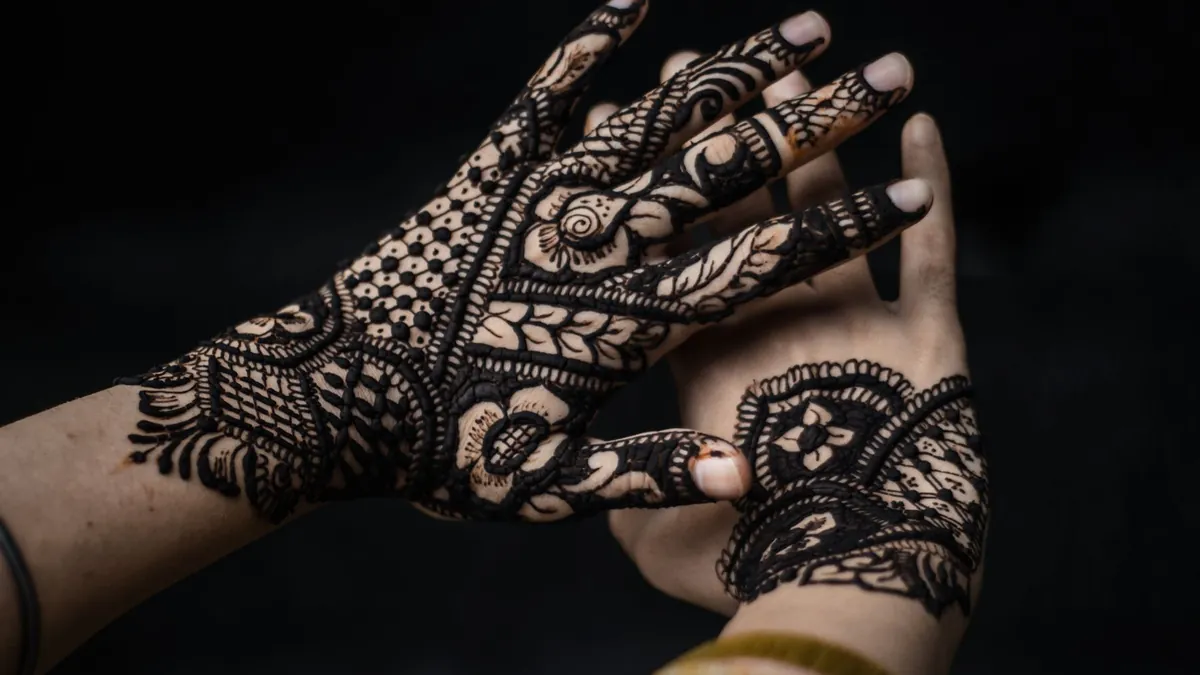
- Mehndi raat: the henna night, when the bride's hands and feet are decorated, accompanied by singing and celebration.
- Preparations: houses are cleaned and decorated, and the wazwan is planned down to the last kebab.
The wedding day
- Bridal dress: brides traditionally wear richly embroidered outfits with fine jewellery. Kashmiri Pandit brides wear the dejhor, a distinctive ear ornament.
- Ceremonies: religious rites follow each community's traditions.
- The feast: guests sit in groups of four around a shared copper platter, the trami, for the wazwan.
Wedding season
Weddings take place through the year, but late summer and autumn are especially popular, when the weather is settled and harvests are in. Visitors travelling in September and October often see wedding processions and hear music in the evenings.
If you are invited
- Dress modestly; women may like to carry a scarf.
- Wash your hands when the tash-t-nari (jug and basin) comes round before the meal.
- Eat from your side of the trami, with your right hand.
- Do not refuse the gushtaba; it signals the end of the feast.
- Ask before photographing guests, especially women.
Experience Kashmiri culture on your trip
Even if you are not attending a wedding, you can taste a wazwan in Srinagar and see Kashmiri crafts. Our team can include a wazwan dinner in your plan: request one through Get My Travel Plan, or see our 5 nights 6 days package.
Plan the rest of your Kashmir trip
- Herath: Herath is the most important festival of Kashmiri Pandits, celebrated at the end of winter with Vatuk puja, soaked walnuts and family feasts.
- Festivals of Kashmir: Religious festivals, shrine celebrations and seasonal events across the year.
- Kashmiri Handicrafts: Shawls, carpets, carved walnut, papier-mâché and engraved copper: what Kashmir's famous crafts are, where to see them made, and how to avoid paying for fakes.
- Kashmiri Kahwa: Golden green tea with saffron, cardamom, cinnamon and almonds, poured from a samovar.
- Kashmir Honeymoon Package: Houseboat nights on Dal Lake, snow in Gulmarg and quiet riverside evenings in Pahalgam: how to plan a Kashmir honeymoon that feels special, not rushed.
Frequently asked questions
What is wanwun in Kashmiri weddings?
Traditional songs sung by women in the days before and during a wedding, celebrating the couple and their families.
What is served at a Kashmiri wedding?
The wazwan, a multi-course feast of mostly lamb dishes, cooked by specialist chefs called wazas.
When is wedding season in Kashmir?
Weddings happen year-round, but late summer and autumn are especially popular.
Still have questions about your Kashmir trip?
Our Srinagar-based team answers on WhatsApp, usually within minutes.